%2Ffit-in%2F250x250%2Fguide_websites%2F131790%2Fimages%2F1776386298019461764626_10234495368744542_2829041303463422903_n-removebg-preview.png&w=1920&q=100)
Duck Hunting in Port O'Connor TX - Guided Marsh Blinds
Duck Hunting in Port O'Connor - What to Expect
%2F%2Fusers%2F9dd53360-dfea-4bb6-b3bf-7f75bd79a00b%2Fimages%2Fduck-hunt-marsh-blind-concealment-2600.jpg&w=1920&q=75)
Fishing, Hunting, Tours Adventures by Guide Mark Ueding in April
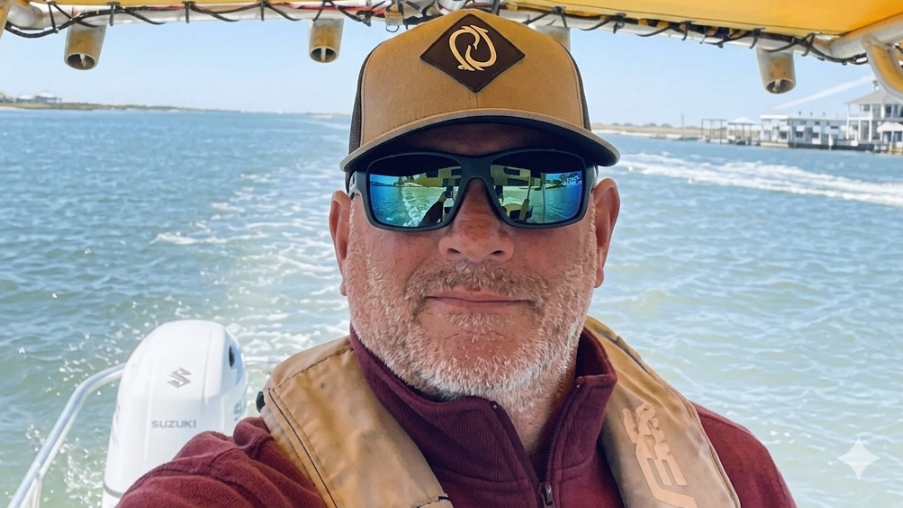
- Top Port O'Connor Fishing and Duck Hunt Guides.


Summary
Experience duck hunting in Port O'Connor with guide Mark Ueding on a Thursday in April, blending Fishing, Hunting, and Tours Adventures. Learn effective marsh concealment strategies and waterfowl behavior while hunting in Texas coastal blinds with proven local expertise and professional equipment setup.
Duck Hunting with Mark Ueding - Rates & Booking
Guide Mark Ueding of Port O Connor Coastal Outfitters leads duck hunting expeditions on Thursday, April in Port O'Connor's pristine coastal marshes. These guided waterfowl hunts combine professional instruction with authentic hunting experiences designed for both seasoned hunters and those new to duck hunting in Texas waters.
Contact Port O Connor Coastal Outfitters to inquire about current rates, group sizes, and available dates. Mark offers flexible scheduling for small and larger hunting parties seeking premier waterfowl opportunities in South Texas.
Highlights of Your Duck Hunting Experience
Duck hunting in Port O'Connor showcases the complexity of waterfowl concealment and the importance of reading marsh conditions. The guided experience emphasizes proper blind setup within natural marsh grass, allowing hunters to observe duck behavior and migration patterns firsthand. These hunts teach you how water levels, vegetation density, and duck movement patterns influence hunting success.
The coastal marsh environment near Port O'Connor creates ideal habitat for migratory and resident duck species. Working within natural blinds teaches hunters about patience, positioning, and the subtle environmental cues that drive waterfowl movement throughout the day.
Understanding Marsh Waterfowl Hunting in South Texas
Duck hunting in coastal marshes requires understanding the environment that attracts waterfowl. Port O'Connor's marshes provide shallow water, abundant vegetation, and protected channels ideal for duck resting and feeding. These conditions make the area consistently productive for hunters willing to invest in proper technique and concealment.
Marsh blind hunting teaches several critical skills. First, positioning matters greatly - hunters learn how water currents, wind direction, and vegetation patterns influence where ducks will travel. Second, blind concealment must blend seamlessly with natural surroundings. The grass blind setup shown in these images demonstrates how experienced guides create effective hunting positions using the marsh's existing features rather than artificial structures.
Duck behavior in coastal environments differs from freshwater hunting. Coastal ducks tend to be more cautious due to exposure and constant migration pressure. This demands patience and discipline - successful hunters remain motionless for extended periods while waiting for flocks to approach decoy spreads. The experience teaches observation skills applicable beyond hunting, helping you understand wildlife ecology and environmental relationships.
Group hunting dynamics in marsh blinds create unique social experiences. With multiple hunters in close quarters, communication and coordinated positioning become essential. These hunts teach teamwork, shared responsibility for safety, and respect for the hunting environment. Guides like Mark emphasize that successful hunts depend on everyone understanding their role and maintaining discipline throughout the morning or afternoon.
Water management and timing significantly impact your hunt's success. Tidal influences, weather patterns, and time of day all affect duck movement in Port O'Connor's marshes. Learning to read these factors helps hunters predict where and when ducks will be most active. This knowledge compounds over multiple hunts, building expertise that improves your hunting success year after year.
Safety in marsh hunting requires attention to detail. Proper firearm handling, clear shooting lanes, and constant awareness of other hunters' positions are non-negotiable. Professional guides ensure all participants understand safety protocols before beginning the hunt, creating secure environments where you can focus on the experience and skill development.